
The Conversation Nobody Wants to Have: How to Start Talking With Mum or Dad About the Future
October 21, 2026
In 2021, I put down the phone after a call with my mother and something happened that had never happened to me before. I deflated.
Mum was ninety-one, sharp enough to have strong opinions and frail enough that a hospital stay had become a real possibility. I was the only one of her four children in Canada, so I was the one making the ninety-minute drive, again and again. Every visit came with a longer list. And sitting in the quiet after that call, I realized something: I had never once sat down with her and said, we need to talk about what is happening here.
That conversation was long overdue. And I suspect, if you’re reading this, yours might be too.
Why we put it off
The conversation about a parent’s changing needs almost never happens when it should. Caring is exactly what makes it so hard to begin.
We don’t want to frighten them. We don’t want to seem presumptuous. We don’t want to damage a relationship that may already carry decades of history. And underneath it all is a fear we rarely say out loud: if we say it, we make it real.
So we absorb. We manage. We quietly rearrange our lives around theirs - until the day we realize we’ve been running on empty for longer than we can remember.
Here’s what nobody tells you: the longer the conversation is delayed, the fewer choices everyone has. When it happens early, while your parent can still take part fully, it becomes a collaboration - a shared map, with their voice at the centre. When it happens in a hospital corridor after a fall, it becomes damage control.
Lead with what you’ve noticed, not what you’ve decided
There’s a way to open this conversation that keeps the door open - and a way that closes it.
The way that closes it is leading with your conclusion: “Mum, I don’t think you can manage on your own anymore.” However true, it lands as a verdict. And most parents respond to a verdict with a defence.
The way that keeps it open is leading with specific observations and a genuine question. This is how I began with my mother:
"Mum, I’m noticing you seem to be struggling with your medical appointments - remembering them, and remembering what was said. And some of the food in your fridge is past its date, which really isn’t like you. Can you tell me what you think is going on?"
She was quiet for a moment. Then she said, “I’m becoming a little forgetful. I need help making a list.” It wasn’t everything she needed. But baby steps from a strong-willed woman were better than none at all.
That final question - can you tell me what you think is going on? - matters more than almost anything else. It hands them the wheel.
Five ways to begin well
- 1.Name one or two specific things you’ve noticed. Write them down first. Specifics open conversations; vague worries close them.
- 2.Choose your moment. Not during a crisis, not when either of you is tired, and not over the phone if you can avoid it.
- 3.Begin with love, not worry. Try “I love you and I want us to figure this out together” rather than “I’m worried about you.”
- 4.Expect some resistance - it’s dignity, not failure. You may not finish in one sitting. That’s perfectly fine. Plant the seed and come back.
- 5.Be honest about what you can give. This conversation is also about what you can sustain. Saying that out loud, kindly, is an act of love for both of you.
And whatever comes next, make time for something that has nothing to do with care - a meal, a walk, an old photo album. The relationship is the reason for all of it.
Not sure what to ask first?
I’ve put together a free guide, 10 Conversations to Have With Your Loved Ones - Before You Need Them, with gentle conversation starters for the topics that matter most.
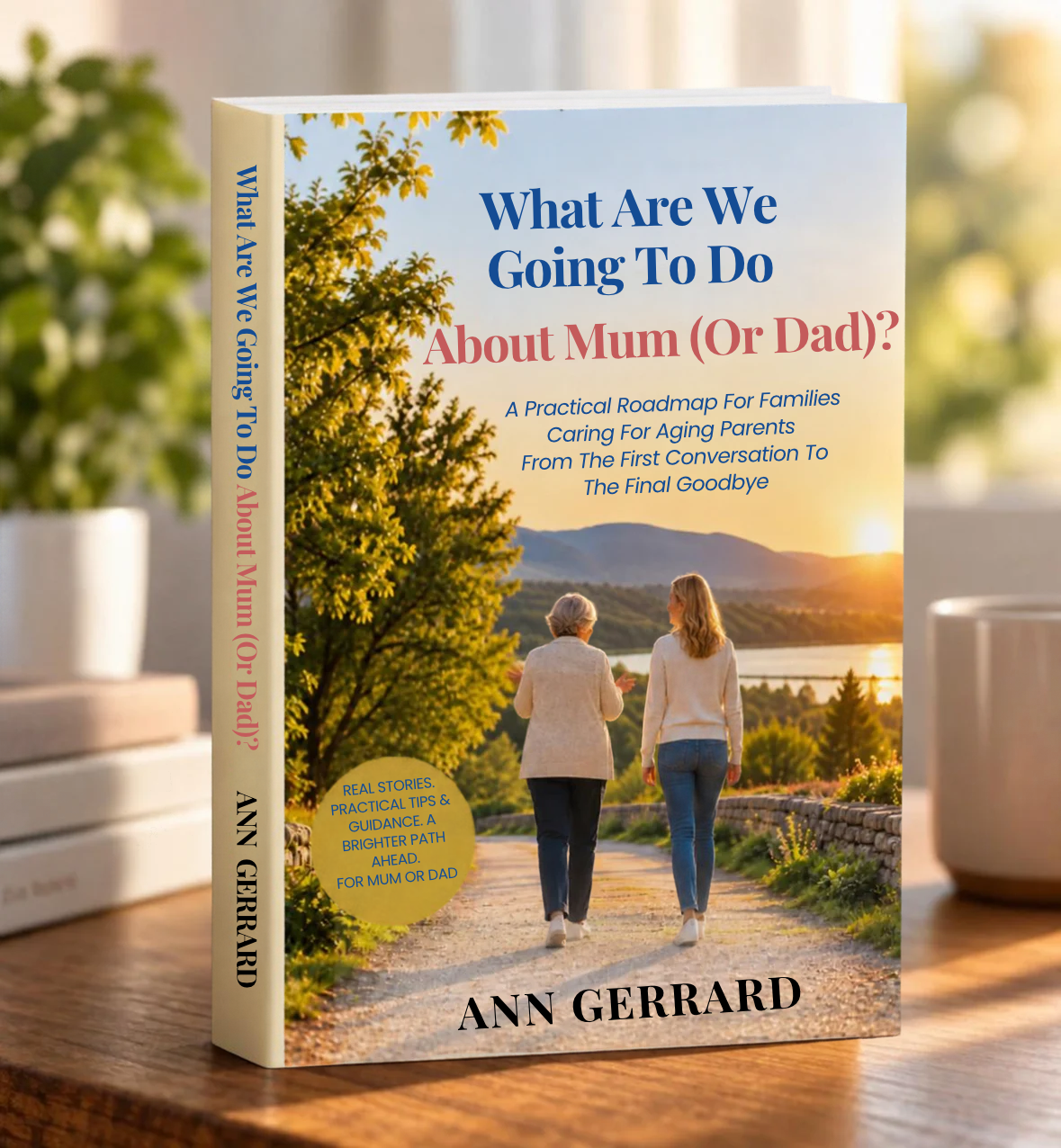
Download the Free GuideThis post is adapted from my upcoming book, What Are We Going To Do About Mum (Or Dad)? A Practical Roadmap For Families Caring For Aging Parents From The First Conversation To The Final Goodbye.
Get Notified When It's Available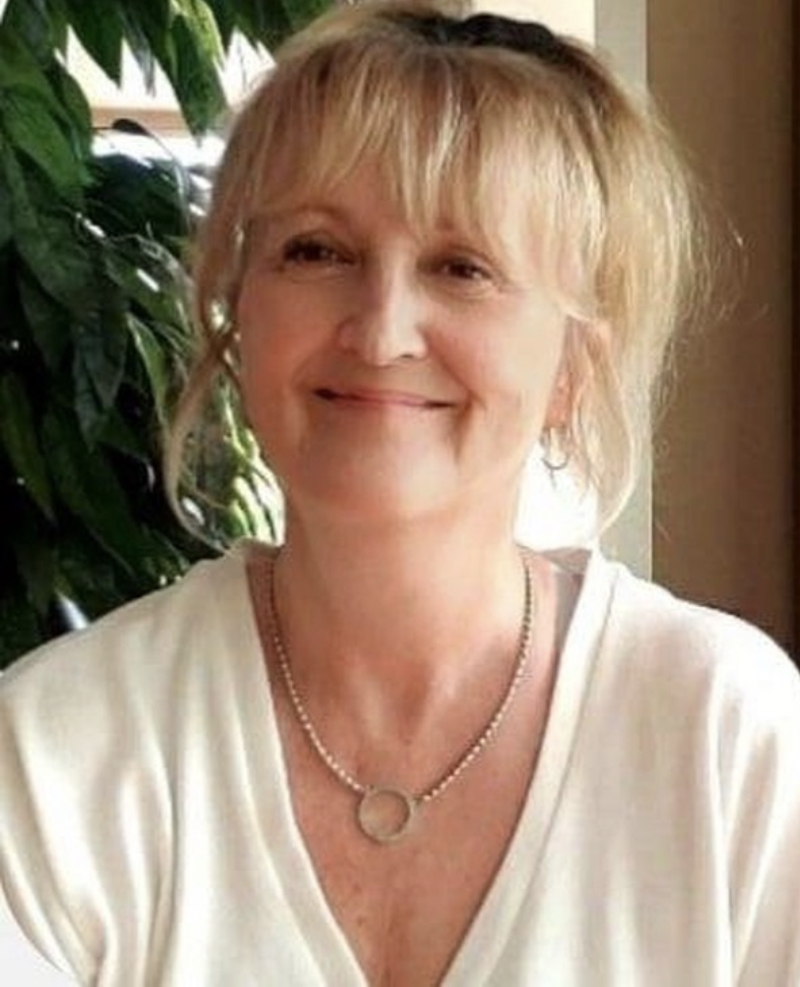
Ann Gerrard
Life Coach & Catalyst - Author, What Are We Going To Do About Mum (Or Dad)?
Believes no family should face this journey without a roadmap.